
Stainless Steel Scrap Price: 304 vs 316 and How to Sort It
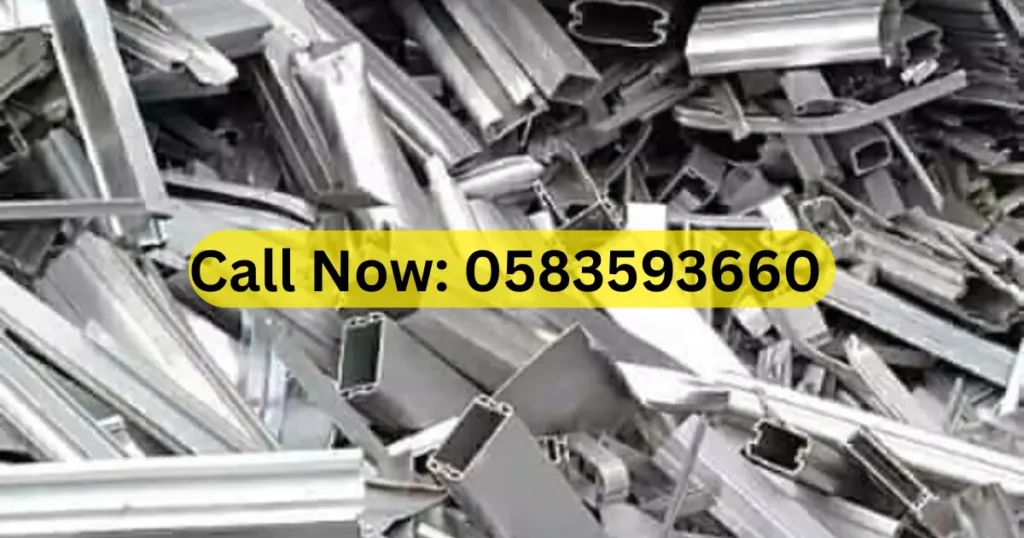
Stainless steel scrap price is set mainly by grade, alloy content and cleanliness. Grade 316 contains 2–3% molybdenum and more nickel than 304, so clean, verified 316 is often valued differently from 304. Sorting by grade, removing contamination and confirming the grade with an XRF analyzer gives buyers the confidence to make a firmer offer.
Understanding Stainless Steel Scrap Price
The stainless steel scrap price you are offered is never just a number per kilogram. It reflects what is inside the metal. Stainless steel is an alloy of iron, chromium and, in the most common grades, nickel. Nickel is expensive, so the more nickel a piece of scrap contains, the more interest it attracts from melters and traders.
That is why two piles of stainless that look the same can receive different offers. A buyer will ask five questions:
- Which grade is it (304, 316, 400-series or unknown)?
- How much nickel and molybdenum does it carry?
- Is it clean, or mixed with plastic, rubber, oil or other metals?
- How much is there?
- How easy is it to collect and transport?
If you run a factory, a fabrication workshop or a maintenance contract in Dammam, knowing the difference between 304 and 316 before you call a buyer puts you in a much stronger position. This guide explains the grades, the magnet test, a practical sorting method and how SS scrap valuation works in Saudi Arabia.
What Is Stainless Steel Scrap?
What stainless steel is
Stainless steel is a family of iron-based alloys containing at least about 10.5% chromium. The chromium forms a thin, self-repairing oxide layer on the surface, which is what protects the metal from rust. Nickel, molybdenum and other elements are added to change strength, formability and corrosion resistance.
The grades most often seen in scrap yards are the austenitic “300-series” grades, especially 304 and 316. Ferritic grades such as 430 and martensitic grades such as 410 or 420 also turn up, mostly in appliances, cutlery and some machine parts.
Why stainless steel is recyclable
Stainless steel can be melted and remade without losing its properties. The chromium, nickel and molybdenum stay in the melt, which is exactly why steel mills want good stainless scrap: it replaces expensive new alloy additions. This makes stainless steel recycling both an environmental gain and a commercial one.
Common sources of stainless steel scrap
In the Eastern Province, stainless steel scrap usually comes from:
- Factories and manufacturing plants: offcuts, rejected parts, old process equipment
- Fabrication workshops: sheet trimmings, pipe cut-offs, turnings and swarf
- Construction projects: handrails, balustrades, cladding, fixings
- Commercial kitchens and restaurants: sinks, worktops, hoods, trolleys
- Industrial plants: tanks, valves, flanges, pipework, heat-exchanger parts
- Warehouses and facilities: surplus stock, shelving, decommissioned equipment
Why grade matters in scrap trading
To a buyer, “stainless” is not one material. Grade 304, grade 316 and a 400-series ferritic steel each have a different alloy value. When grades are mixed, a buyer has to price the whole lot at the level of the lowest-value material or allow for testing costs. Clear material identification removes that uncertainty, and that usually shows up in the offer.
Stainless Steel 304 vs 316: Main Differences
304 stainless steel
Grade 304 is the classic “18/8” stainless steel, named for its roughly 18% chromium and 8% nickel. Under ASTM A240, 304 is specified at 18.0–20.0% chromium and 8.0–10.5% nickel, with no deliberate molybdenum addition.
- Characteristics: good corrosion resistance in normal atmospheres, easy to form and weld
- Corrosion resistance: good in general use, but more vulnerable to pitting where chlorides are present (salt, sea air, some cleaning chemicals)
- Typical applications: kitchen equipment, sinks, food processing lines, architectural trim, tanks, general pipework
- Common sources of 304 scrap: commercial kitchens, building fit-outs, fabrication offcuts, appliance housings, food-industry equipment
316 stainless steel
Grade 316 is the main molybdenum-bearing austenitic grade. ASTM A240 specifies 316 and 316L at 16.0–18.0% chromium, 10.0–14.0% nickel and 2.00–3.00% molybdenum.
- Characteristics: similar strength and weldability to 304, with higher alloy content
- Effect of molybdenum: molybdenum improves resistance to pitting and crevice corrosion in chloride environments. It does not make 316 immune to corrosion, but it performs noticeably better than 304 in salty or chemical conditions.
- Typical applications: marine and coastal equipment, chemical and petrochemical plant, pharmaceutical and food-processing equipment, valves, flanges, pumps and pipework
- Common sources of 316 scrap: petrochemical and industrial maintenance work, desalination and water treatment equipment, coastal structures, process pipework and fittings
Grade 316L is the low-carbon version (0.03% maximum carbon) used for welded parts. For scrap purposes, 316 and 316L are usually handled together, but keep them labelled if your paperwork shows which is which.
304 vs 316 Comparison Table
| Comparison Factor | Stainless Steel 304 | Stainless Steel 316 |
|---|---|---|
| Nickel Content | About 8.0–10.5% (ASTM A240) | About 10.0–14.0% (ASTM A240) |
| Molybdenum | None deliberately added | 2.0–3.0% |
| Chromium | About 18.0–20.0% | About 16.0–18.0% |
| Corrosion Resistance | Good for general use; more prone to chloride pitting | Better resistance to pitting and crevice corrosion in chlorides |
| Common Applications | Kitchens, sinks, food equipment, architectural trim, tanks | Marine, chemical, petrochemical, pharmaceutical, valves and flanges |
| Scrap Market Value | Set by nickel and chromium content, cleanliness and volume | Molybdenum and higher nickel can support a different valuation, but only when the grade is verified and kept separate |
Note: Exact composition depends on the standard and product form (ASTM, EN or JIS). The ranges above are taken from ASTM A240 limits as published in producer datasheets. Always check the mill certificate where one exists.
How to Perform the Magnet Test on Stainless Steel
The magnet test is the fastest first check you can do on site. Use a strong hand magnet and press it against clean metal, not paint or welds.
What the magnet tells you
- No pull or a very weak pull: likely an austenitic grade such as 304 or 316. In the annealed (softened) condition, these grades are generally regarded as non-magnetic.
- Strong pull: likely a ferritic grade (such as 430 or 409), a martensitic grade (such as 410 or 420), or plain carbon steel. Ferritic and martensitic stainless steels are strongly magnetic even when annealed.
Why 304 can become magnetic
Bending, rolling, drawing or machining 304 can change part of its structure from austenite to martensite, and martensite is magnetic. That is why cold-formed edges, sink corners, wire, springs and fasteners made from 304 often pull a magnet slightly. Grade 316 has more nickel, which makes it more resistant to this change, but heavily worked 316 can also show some response.
The limits of the magnet test
A magnet can help you separate “probably austenitic” from “probably ferritic or carbon steel.” It cannot tell 304 from 316, because both are non-magnetic when annealed and the difference between them is molybdenum, which a magnet does not detect. Welds, coatings and cold work can also give misleading results.
When the value of the load is significant, the grade should be confirmed with a handheld XRF analyzer, which reads the actual chromium, nickel and molybdenum content in seconds without damaging the material. Mill markings stamped on pipes and plates (“316L”, “TP304”) and mill test certificates are also useful evidence.
How to Sort Stainless Steel Scrap Correctly
Good sorting is the single most useful thing a seller can do before asking for a price. Follow these steps:
- Separate stainless steel from carbon steel. Use the magnet test. Anything with a strong pull and no stainless appearance goes to the ferrous pile.
- Identify possible 304 and 316 materials. Look for stamped markings, labels and mill certificates. Think about where the item came from: process pipework and coastal equipment are more often 316, kitchen and food equipment more often 304.
- Separate different stainless grades where possible. Keep 304, 316, 400-series (magnetic) and “unknown” in separate bins or bulk bags.
- Remove non-metallic contamination. Take off plastic, rubber seals, wood, insulation, gaskets and labels where it is safe to do so.
- Separate stainless steel from aluminium, copper and brass. Brass valve bodies, copper fittings and aluminium brackets attached to stainless parts reduce the purity of the load.
- Keep oily, painted or contaminated materials separate. Oily turnings, painted panels and items with residues should be evaluated on their own rather than mixed into clean stock.
- Organise scrap by size, form and type. Solids (sheet, plate, pipe, bar) should be kept apart from turnings and fine swarf, which are usually valued differently.
- Estimate the weight and total quantity. A rough figure in kilograms or tonnes helps the buyer plan collection and transport.
- Take clear photographs. Photograph each pile, close-ups of any markings, and an overview of the loading area before you ask for a valuation.
Sorted scrap is easier to inspect, faster to weigh and less likely to be downgraded, which reduces disputes on both sides.

Stainless Steel Scrap Price: What Determines the Value?
These are the main factors behind the stainless steel scrap price:
- Stainless steel grade. 304, 316 and 400-series grades carry different alloy value.
- Nickel content. Nickel is the largest driver of value in 300-series scrap.
- Molybdenum content. Molybdenum in 316 adds alloy value when it is verified.
- Chromium content. Chromium is present in all grades and supports value for melters.
- Chemical composition. Unexpected elements or mixed alloys can lower the offer.
- Material cleanliness. Clean solids are worth more than contaminated mixes.
- Scrap condition. Solid sheet and pipe are handled differently from fine turnings.
- Quantity and bulk volume. Larger, consistent lots are more attractive commercially.
- Processing and sorting requirements. If the buyer must cut, sort or clean, that cost is reflected in the price.
- Transportation and logistics. Distance, access and loading equipment all matter.
- Market demand and international alloy prices. Nickel and molybdenum markets move daily, and stainless scrap values follow them.
Is 316 always worth more than 304? Not automatically. 316 often attracts a different valuation because of its molybdenum and higher nickel, but there is no fixed premium. The gap depends on alloy markets, buyer demand and, most importantly, whether the 316 is clean, separated and verified. Unverified “316” mixed with 304 is usually priced as 304.
SS Scrap Price Per KG in Saudi Arabia
Per kilogram vs per metric tonne
Small sellers usually discuss an SS scrap price per kg. Factories, contractors and traders often negotiate per metric tonne (1,000 kg). The basis should always be stated clearly in the quotation, along with whether the price includes collection.
How grades influence the offer
A buyer will normally separate 304 stainless scrap, 316 stainless scrap, magnetic 400-series material and mixed or unknown stainless. Clean, sorted and verified material can receive a more specific offer than a mixed load, because the buyer carries less risk.
Global alloy markets
Stainless scrap values follow international nickel prices. As an indication of the market backdrop only, the LME three-month nickel contract traded at about US$16,140 per tonne on 11 November 2026 (Argus Media). That is a refined nickel price, not a scrap price, and it should not be used to calculate a scrap offer directly.
Why we do not publish a fixed price
We could not find a reliable, current public price list for stainless steel scrap in Saudi Arabia, so this article does not quote one. Any offer depends on the grade, the condition, the quantity, the location and the collection terms. The final purchase price is confirmed only after inspection and agreement between buyer and seller.
Stainless Steel Scrap Buyer in Dammam
Scrap Metal Buyer KSA is a stainless steel scrap buyer in Dammam serving local sellers and industrial suppliers. We regularly hear from businesses such as:
- Stainless steel fabrication workshops
- Industrial manufacturing plants
- Construction companies
- Commercial kitchens and restaurants
- Industrial maintenance contractors
- Warehouses holding surplus stainless stock
- Businesses clearing out old equipment
- Individual sellers with stainless steel scrap
Our main focus is Dammam, including its industrial areas. We also handle inquiries from Al Khobar, Jubail and Qatif; please confirm collection arrangements for your location when you call.
How to Sell Stainless Steel Scrap in Dammam
- Identify the material you have available.
- Separate 304, 316 and unidentified grades where possible.
- Estimate the total quantity in kilograms or tonnes.
- Prepare clear photographs of each pile and any markings.
- Contact the buyer by phone or email.
- Discuss a preliminary evaluation and indicative pricing.
- Arrange inspection and grade verification where needed.
- Agree on collection, transport and payment terms before loading.
To start, call 0583593660, email manik9780@gmail.com, or visit https://scrapmetalbuyerksa.com.
Frequently Asked Questions
1. What is the current stainless steel scrap price per kg?
There is no single fixed stainless steel scrap price per kg. Offers depend on grade (304, 316 or 400-series), nickel and molybdenum content, cleanliness, quantity and location, and they move with international nickel prices. The most reliable way to get a current figure is to send photos and an estimated weight to a buyer and confirm the final price after inspection.
2. What is the difference between 304 and 316 stainless steel scrap?
The main difference is molybdenum. Grade 316 contains about 2–3% molybdenum and roughly 10–14% nickel, while 304 has no deliberate molybdenum and about 8–10.5% nickel. Molybdenum gives 316 better resistance to chloride pitting, which is why it is used in marine, chemical and process equipment. In scrap, this alloy difference can affect valuation.
3. Is 316 stainless steel scrap worth more than 304?
Often, but not always. Verified 316 scrap may be valued differently from 304 because of its molybdenum and higher nickel content. There is no fixed premium, though. The difference depends on alloy markets, buyer demand, cleanliness and whether the 316 is kept separate and confirmed by testing. Mixed or unverified 316 is usually priced as 304.
4. Does stainless steel pass the magnet test?
It depends on the grade. Austenitic grades such as 304 and 316 are generally non-magnetic or only weakly magnetic in the annealed condition. Ferritic grades (such as 430) and martensitic grades (such as 410 and 420) are strongly magnetic. A magnet is a useful first screening tool, but it does not confirm the exact grade.
5. Can a magnet identify 304 stainless steel?
No. A magnet can suggest that a piece is austenitic, like 304 or 316, if it shows little or no attraction. It cannot separate 304 from 316, because the difference is molybdenum, which a magnet does not detect. Cold-worked 304 can also become slightly magnetic. An XRF analyzer is the reliable way to confirm the grade.
6. How can I separate 304 and 316 stainless scrap?
Start by checking stamped markings (“304”, “316L”) and mill certificates. Consider where each item came from: process pipework and coastal equipment are more often 316. Keep suspected 316 in its own labelled bin. For valuable lots, have the material checked with an XRF analyzer, which measures molybdenum directly and confirms the grade within seconds.
7. Where can I sell stainless steel scrap in Dammam?
You can contact Scrap Metal Buyer KSA, a stainless steel scrap buyer in Dammam, on 0583593660 or at manik9780@gmail.com. Send photos, the approximate weight and your location. The team will discuss a preliminary evaluation, then arrange inspection and agree collection terms. Inquiries from Al Khobar, Jubail and Qatif are also welcome.
8. What factors affect stainless steel scrap prices in Saudi Arabia?
The main factors are grade, nickel, molybdenum and chromium content, overall chemical composition, cleanliness, condition (solids or turnings), quantity, sorting and processing needs, transport distance and international alloy price movements. Clean, sorted and verified scrap in larger volumes generally gives the buyer more confidence and supports a firmer offer.