
Copper Scrap Grades Explained
Prepared for scrapmetalbuyerksa.com ·
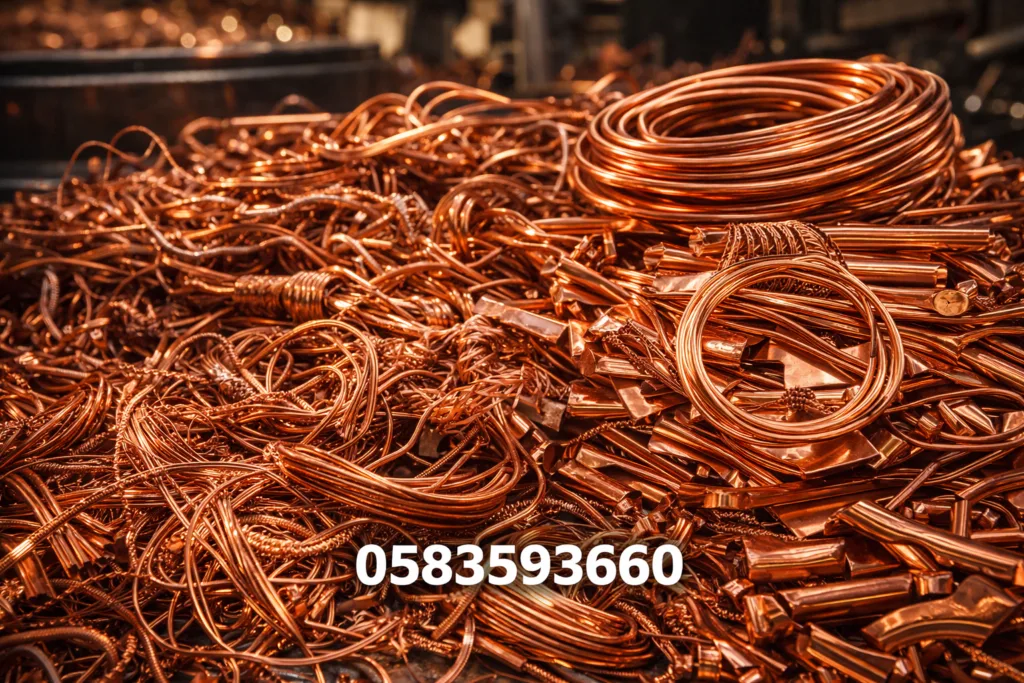
Quick answer: Copper scrap grades are categories that buyers use to sort copper by cleanliness, form and contamination. The four main copper scrap types traded in Saudi Arabia are Bare Bright (clean, shiny, uncoated wire), No. 1 copper (clean unalloyed wire, solids and tubing), No. 2 copper (oxidized, coated or soldered copper), and mixed copper (unsorted loads). Cleaner grades usually earn a higher price per kg.
If you have ever asked a scrap yard for a copper price and been told “it depends on the grade,” this guide explains why. Copper scrap grades decide how much you get paid, whether you are a contractor clearing a site in Dammam, a factory in Jubail with production offcuts, or a homeowner selling old pipes and wire.
Below, we explain each grade in plain English, show how buyers tell them apart, and walk through what affects the copper scrap price per kg in Saudi Arabia.
What Are Copper Scrap Grades?
Copper scrap grades are a shared language between sellers, buyers and refiners. A grade tells the buyer roughly how much usable copper is in a load and how much processing it needs before it can be melted and reused.
The most widely used reference is the Scrap Specifications Circular published by ReMA (the Recycled Materials Association, formerly ISRI). It gives each grade a code name, such as Barley, Berry, Candy, Birch and Cliff. Buyers worldwide use these codes in contracts, and many Saudi exporters and recyclers follow them too.
Two points matter before we start:
- Formal specifications and trade terms are not the same thing. “Bare Bright” and “No. 2” have formal definitions. “Mixed copper” is mostly a yard term, not a single formal grade.
- Final grading happens at inspection. Each buyer applies its own acceptance rules, and the same material can be graded differently depending on its condition on the day.
Bare Bright Copper
What is Bare Bright copper?
Bare Bright copper is clean, bare, uncoated and unalloyed copper wire with a bright, shiny surface. In the ReMA specifications it falls under the code Barley (No. 1 Copper Wire), which describes it as bare, uncoated, unalloyed wire commonly known as Bare Bright. Wire gauge, green (oxidized) wire and compacted material are left to agreement between buyer and seller.
How to identify Bare Bright
- Bright orange-pink colour, like a new penny
- No insulation, no plastic, no paint and no tin coating
- Little or no dark or green oxidation
- No solder, brass fittings, steel or other attachments
Why it earns the top price
Bare Bright needs almost no processing. A refinery or rod mill can melt it with little cleaning or loss, so buyers can pay closer to the copper market price for it than for any other scrap grade.
Common sources
- Stripped electrical wire from building and fit-out projects
- Offcuts from cable manufacturing and electrical panel work
- Motor rewinding shops (when the wire is clean and uncoated)
An important note: insulated wire is not Bare Bright, even if the copper inside is bright. It is sold as insulated copper wire (ReMA code Druid) and priced on its estimated copper recovery. Stripping wire yourself can raise its grade, but never burn insulation off. Burning is dangerous, harms the environment, and leaves the wire oxidized and brittle, which pushes it down to No. 2.
No. 1 Copper Scrap
What is No. 1 copper?
No. 1 copper scrap is clean, unalloyed copper that may not be as bright as Bare Bright. In ReMA terms it covers two specifications:
- Berry (No. 1 Copper Wire): clean, untinned, uncoated, unalloyed wire and cable, free of brittle burnt wire
- Candy (No. 1 Heavy Copper Solids and Tubing): clean copper clippings, punchings, bus bars, commutator segments and clean copper tubing
Typical examples
- Clean copper bus bars from switchgear and electrical rooms
- Clean copper pipe with no paint, solder or fittings
- Thick copper wire that is slightly darkened but not coated
- Punchings and offcuts from fabrication workshops
No. 1 vs Bare Bright: what is the difference?
Bare Bright is bright bare wire only. No. 1 also accepts heavier solids, tubing and wire with light, natural discolouration. Both must be clean and unalloyed. Because No. 1 can carry slightly more surface oxidation, it usually trades just below Bare Bright.
Common industrial sources in Saudi Arabia
No. 1 copper often comes from electrical contractors, substation and switchgear upgrades, HVAC and plumbing work, and industrial maintenance shutdowns in places like the Dammam 2nd Industrial City and Jubail Industrial City.
No. 2 Copper Scrap
What is No. 2 copper?
No. 2 copper scrap is unalloyed copper that is dirtier, oxidized, coated or soldered. ReMA defines it through Birch (No. 2 Copper Wire) and Cliff (No. 2 Copper Solids and Tubing). Both specify a nominal 96% copper content with a 94% minimum, measured by electrolytic assay. That figure belongs to the formal specification. Your own load is only confirmed by the buyer’s inspection or testing.
What pushes copper into No. 2?
- Oxidation: heavy black or green corrosion on wire or pipe
- Coatings: tinned, painted or enamel-coated copper
- Solder: pipe joints with solder residue
- Light contamination: small amounts of attached material that cannot easily be removed
Common examples of No. 2 copper
- Old plumbing pipe with solder joints or paint
- Tinned copper wire
- Burnt wire that is brittle
- Copper with heavy corrosion from outdoor or coastal exposure, which is common near the Gulf coast in Dammam, Al Khobar and Jubail
Why No. 2 has a different market value
No. 2 copper needs more refining to remove impurities, and some weight is lost along the way. Buyers price that extra processing into the offer, so No. 2 normally sells for less per kg than No. 1.
Mixed Copper Scrap
What does mixed copper mean?
Mixed copper is an unsorted load holding several copper grades and sometimes other materials. It is a trade description, not one formal ReMA grade. A typical mixed load from a renovation or demolition job may contain:
- Bare and insulated wire together
- Clean and soldered pipe
- Light copper (ReMA code Dream), such as thin sheet and gutters
- Brass fittings, steel clamps or plastic still attached
How buyers sort and evaluate mixed copper
The buyer either sorts the load into separate grades and prices each one, or prices the whole lot at a rate that reflects its lowest grade and the sorting work. Inspection usually involves a visual check, weighing each sorted portion, and removing attachments.
What affects the final value
- The share of clean copper in the load
- How much insulation, brass, iron or plastic is mixed in
- Moisture, dirt and oil
- Total weight and how easy the material is to handle
Tip: Sorting before you sell is the simplest way to raise your price. Even separating wire from pipe helps.
Copper Scrap Grades Comparison Table
| Copper Grade | Appearance | Typical Characteristics | Relative Value |
|---|---|---|---|
| Bare Bright Copper | Bright, shiny orange-pink bare wire | Uncoated, unalloyed, stripped clean, no oxidation or attachments (ReMA: Barley) | Highest |
| No. 1 Copper | Clean copper, may be slightly dull | Clean unalloyed wire, bus bars, clean tubing; no solder, paint or tin (ReMA: Berry, Candy) | High |
| No. 2 Copper | Darkened, oxidized, painted or soldered | Unalloyed copper with coatings, solder or corrosion; formal spec nominal 96% Cu, min 94% (ReMA: Birch, Cliff) | Medium |
| Mixed Copper | Unsorted, varied pieces | Several grades together, often with insulation, brass, iron or plastic | Lower, depends on sorting |
In short, purity and resale value fall as contamination rises. Bare Bright and No. 1 hold the most recoverable copper, so they lead on price. No. 2 and mixed copper carry more processing cost, so buyers offer less per kg.
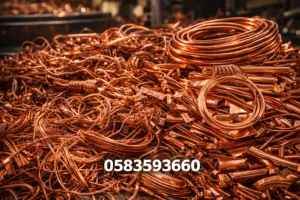
Copper Scrap Price per KG in Saudi Arabia
There is no single fixed copper scrap price per kg in Saudi Arabia. Prices move daily and differ by grade, quantity and buyer. We do not publish fixed rates here because any number would be out of date quickly. The factors below explain how a price in Saudi Riyal (SAR) is worked out.
How copper scrap prices are determined
- International copper price: The London Metal Exchange (LME) Official Price is the global reference for copper. Local buyers watch it, together with the USD to SAR rate (the riyal is pegged to the US dollar).
- Grade discount: Each grade trades at a discount to the market price. The discount is smallest for Bare Bright and largest for mixed copper.
- Contamination: Insulation, oxidation, solder, paint, moisture and dirt all reduce the recoverable copper, so they reduce the offer.
- Quantity: Bulk industrial supply from factories, contractors and warehouses lowers handling cost per kg, so larger lots often get better terms.
- Local market conditions: Demand from local smelters and exporters, transport distance, and the seller’s location in Riyadh, Jeddah or the Eastern Province all affect what a buyer can pay.
Why moisture and insulation matter
Buyers pay for copper, not water or plastic. Wet cable or soaked insulation adds weight that is not copper, so buyers either deduct for it or grade the load down. Keeping scrap dry and covered helps protect its value.
How to get an accurate price
The most reliable way to know your copper scrap value is a direct quotation after inspection. Share clear photos, an estimated weight and a description of the material, then confirm the price once the scrap has been weighed and graded.
Why Accurate Copper Grading Matters for Businesses
For manufacturing companies, construction firms, electrical contractors and warehouses, correct grading protects revenue. If clean copper goes into a mixed bin, it sells at the mixed rate. Clear grading also makes audits easier, supports environmental compliance, and keeps relationships with buyers transparent.
Saudi businesses handling industrial scrap should also follow environmental rules for waste handling and storage. The National Center for Environmental Compliance oversees environmental compliance, and the Ministry of Industry and Mineral Resources sets the wider framework for industry and the mining and metals sector.
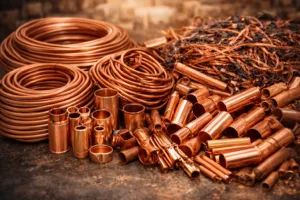
How Factories Should Prepare Copper Scrap Before Selling
- Separate by grade: Keep bare wire, insulated wire, clean pipe and soldered pipe apart.
- Remove attachments: Take off brass fittings, steel clamps and plastic where it is safe to do so.
- Keep it dry: Store copper under cover and off the ground.
- Never burn cable: Use mechanical stripping or sell the cable as insulated wire.
- Record weights: Keep a simple log of each grade for your own records.
- Ask for an inspection: Request grading and weighing in front of your team.
Frequently Asked Questions
What are the different grades of copper scrap?
The main copper scrap grades are Bare Bright, No. 1 copper, No. 2 copper and mixed copper. Insulated copper wire and light copper are also traded separately. Grades are based on cleanliness, form and contamination, following ReMA specifications such as Barley, Berry, Candy, Birch and Cliff.
What is the difference between Bare Bright and No. 1 copper?
Bare Bright is bright, bare, uncoated copper wire only. No. 1 copper includes clean unalloyed wire that may be slightly darkened, plus heavy solids such as bus bars and clean tubing. Bare Bright usually earns a slightly higher price.
Is No. 2 copper worth less than No. 1 copper?
Yes, generally. No. 2 copper has oxidation, solder, paint or coatings, so it needs more refining and loses more weight in processing. Buyers price that cost in, which is why No. 2 sells below No. 1.
How can I identify Bare Bright copper?
Look for shiny orange-pink bare wire with no insulation, no tin or paint coating, little or no oxidation, and no attachments. If the wire is dull, green, tinned or brittle, it will usually be graded No. 1 or No. 2 instead.
What is the current copper scrap price per kg in Saudi Arabia?
Copper scrap prices in Saudi Arabia change daily with the LME copper price and local demand, and they differ by grade. For a current rate in SAR, contact a buyer with photos and an estimated weight and confirm the price after inspection.
Which copper scrap grade has the highest value?
Bare Bright copper usually has the highest value because it is clean, uncoated and unalloyed, so it needs almost no processing before it is melted and reused.
Can insulated copper wire be classified as Bare Bright?
No. Insulated wire is graded and priced as insulated copper wire based on its estimated copper recovery. Only after the insulation is removed cleanly, without burning, can the copper inside qualify as Bare Bright.
Where can businesses sell copper scrap in Saudi Arabia?
Businesses can sell to licensed scrap metal buyers and recyclers. Choose a buyer that inspects and weighs material openly, explains its grading, and provides proper documentation for your records.
How does contamination affect copper scrap prices?
Contamination lowers the amount of recoverable copper and adds processing cost. Insulation, solder, paint, oil, moisture, brass and iron attachments can all move a load into a lower grade and reduce its price per kg.
How should factories prepare copper scrap before selling?
Sort copper by grade, remove attachments where safe, keep it dry, never burn cable, and record weights. Well-sorted, clean copper is easier to inspect and usually gets a better offer.
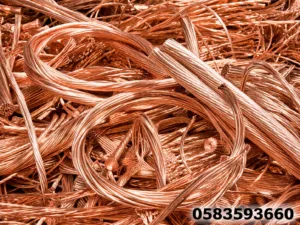
Sell Your Copper Scrap to Scrap Metal Buyer KSA
Knowing your copper scrap grades puts you in a stronger position when you sell. Scrap Metal Buyer KSA, based in the 2nd Industrial City (Tasliya), Dammam, buys copper scrap from factories, contractors, warehouses and individuals. See our copper scrap buying service and our cable and electric wire scrap service, or read our guide to the copper price today in Dammam. If your site produces mixed metals, our industrial scrap buyer service in Dammam covers larger loads.
For a copper scrap evaluation, contact us with photos and an approximate weight:
- Phone: 0583593660
- Email: manik9780@gmail.com
- Website: scrapmetalbuyerksa.com
We will review your material and confirm the grade and price after inspection.