
Understanding HMS 1&2 Scrap
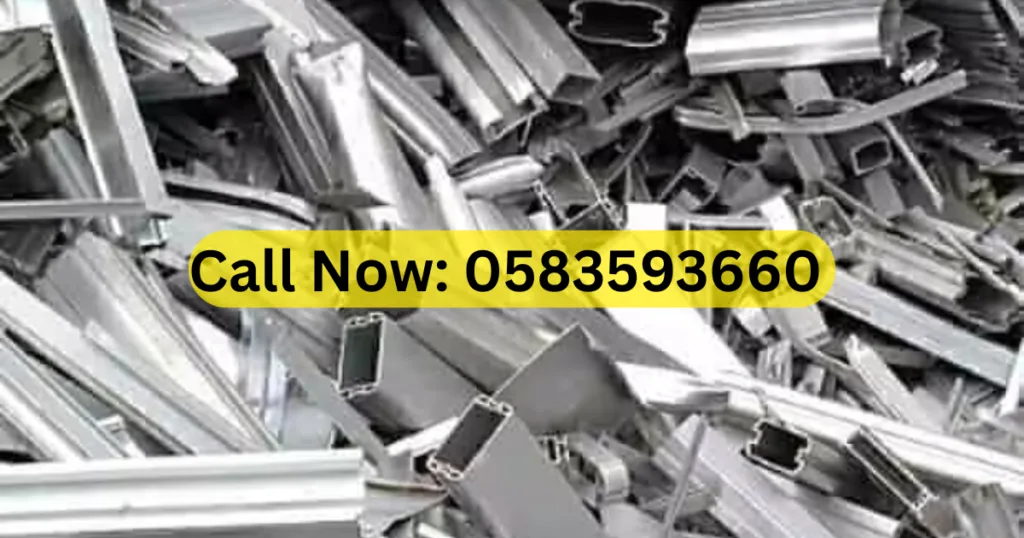
If your factory, yard or demolition site produces old steel, you are probably sitting on HMS 1&2 scrap. It is one of the most traded categories of ferrous scrap in the world, and in Saudi Arabia it is the main grade that domestic steel mills buy to feed their furnaces.
Knowing the grade matters for one simple reason: mills do not pay for “iron.” They pay for a specific quality, size and density, delivered to a specific place, on specific payment terms. Two loads of the same weight can be valued very differently depending on how they are sorted and prepared.

This guide explains what HMS means, how HMS 1 and HMS 2 differ, what the HMS 80:20 blend is, and how steel mills and the new Saudi steel scrap index approach pricing. It is written for procurement managers, plant and warehouse managers, contractors and scrap traders who want to negotiate with better information.
What Is HMS Scrap? (HMS Scrap Meaning)
HMS stands for Heavy Melting Steel, also called Heavy Melting Scrap. It is recyclable steel and wrought iron that is thick and heavy enough to be melted efficiently in a steel mill’s furnace.
Quick definition: HMS scrap is obsolete or industrial steel scrap, sorted by minimum thickness and maximum piece size, that steel mills use as a secondary raw material to make new steel.
HMS is classed as ferrous scrap because it is iron-based and magnetic. That separates it from non-ferrous metals like copper, aluminium and brass, which are traded on different markets and priced per kilogram rather than per tonne.
How steel enters the HMS supply chain
HMS mostly comes from steel that has reached the end of its useful life:
- Demolished buildings, sheds and industrial structures
- Dismantled plant, tanks, pipelines and machinery
- Fabrication offcuts and old structural sections from workshops
- Retired equipment from factories, oil and gas sites and ports
This material is collected, sorted, cut to size and sent to steel mills.
Why steel mills use HMS
Mills using electric arc furnaces (EAF) or induction furnaces can melt scrap directly instead of starting from iron ore. Good HMS gives them predictable density, a reasonable metallic yield and a lower raw material cost per tonne of finished steel. That is why HMS is treated as a core raw material, not a waste product.
HMS 1 vs HMS 2: What Is the Difference?
The best-known definitions come from the scrap specifications published by ReMA, the Recycled Materials Association (formerly ISRI). HMS 1 falls under codes 200–202 and HMS 2 under codes 203–206. Each code has small differences in allowed piece size.
HMS 1 (No. 1 Heavy Melting Steel)
- Thickness: wrought iron or steel at least 1/4 inch (6.35 mm) thick
- Size: under ISRI 200, pieces up to 60 × 24 inches (about 1,524 × 610 mm); codes 201 and 202 set smaller limits
- Coating: generally expected to be clean, uncoated steel (no galvanized or black sheet)
- Typical material: plates, beams, channels, structural sections, heavy pipe, large machinery parts
HMS 2 (No. 2 Heavy Melting Steel)
- Thickness: wrought iron or steel at least 1/8 inch (3.175 mm) thick
- Coating: black and galvanized steel is allowed
- Size: similar limits to HMS 1, with some codes allowing certain automotive scrap
- Typical material: lighter sections, thinner plate and pipe, fabrication trimmings, mixed lighter steel
Density and preparation
Because each grade guarantees a minimum thickness, HMS loads are dense. Denser scrap fills a furnace bucket better and melts more efficiently. As a reference point, the specification for Fastmarkets’ UAE sheared HMS 1&2 index expects material density of 0.7 tonnes per cubic metre and above.
Preparation means cutting pieces to the buyer’s size limit, removing attachments, and keeping out anything that is not steel.
How contamination affects acceptance
Mills usually inspect loads on arrival. Common reasons for a downgrade or deduction include:
- Dirt, sand, concrete or excessive rust scale
- Non-ferrous attachments (copper windings, aluminium, brass)
- Rubber, plastic, wood or insulation
- Closed containers, tanks or cylinders that have not been opened or cleaned
- Stainless steel or alloy steel mixed into carbon steel loads
- Pieces that are too thin, too long or too large for the stated grade
Important: ReMA/ISRI codes are a common reference, not a universal rulebook. Every mill and trader sets its own acceptance terms. Always confirm the exact specification in the buyer’s contract.
HMS 1 vs HMS 2 Comparison Table
| Comparison Factor | HMS 1 | HMS 2 |
|---|---|---|
| Material Characteristics | Heavy, clean wrought iron or steel; normally uncoated | Lighter wrought iron or steel; black and galvanized steel allowed |
| Thickness | Minimum 1/4 inch (6.35 mm) | Minimum 1/8 inch (3.175 mm) |
| Quality Requirements | Strict sizing (e.g. max 60 × 24 in under ISRI 200), dense, low contamination | Size limits apply; more tolerance for lighter and coated pieces |
| Typical Applications / Sources | Plates, beams, structural steel, heavy pipe, machinery parts | Light sections, thin plate and pipe, fabrication trimmings |
| Relative Market Value | Generally higher, due to density and yield | Generally lower than HMS 1 |
Exact requirements depend on the applicable ReMA (ISRI) code and the buyer’s contract.
What Does HMS 80:20 Mean?
HMS 80:20 is a commercial blend, not a separate grade. It means a shipment containing 80% HMS 1 and 20% HMS 2 by weight.
Simple example: a 100-tonne HMS 80:20 shipment should contain about 80 tonnes of HMS 1 and 20 tonnes of HMS 2.
Why the market uses blends
Most scrap generators do not produce perfectly separated heavy and light steel. Blending lets suppliers sell mixed material in a standard, recognisable form. Mills, in turn, get a predictable mix they can plan their furnace charge around.
80:20 vs 70:30 vs 60:40
| Blend | HMS 1 share | HMS 2 share | General effect |
|---|---|---|---|
| 80:20 | 80% | 20% | Heavier, denser mix; widely used as an international reference |
| 70:30 | 70% | 30% | Moderately lighter mix |
| 60:40 | 60% | 40% | Lightest of the three; generally valued below 80:20 |
The more HMS 1 a blend contains, the higher its density and the higher the value mills usually assign to it. In Saudi Arabia, the Fastmarkets domestic index accepts quality ranging from 60:40 to 80:20.
Confirm the ratio in writing. Buyers and sellers often describe a load as “HMS 1&2” without stating the ratio. Put the agreed blend, size limits and inspection method in the contract before delivery.
Types of Materials Commonly Associated with HMS Scrap
Typical HMS sources in an industrial setting include:
- Heavy steel plates from tanks, platforms and floors
- Structural steel sections such as I-beams, H-beams, channels and angles
- Steel beams and columns from demolished warehouses and sheds
- Industrial steel offcuts from fabrication shops
- Demolition steel from buildings and plant shutdowns
- Heavy machinery components such as frames and chassis (non-steel parts removed)
- Steel fabrication scrap such as trimmings and rejected parts
- Industrial steel structures such as racks, gantries and pipe supports
A piece only counts as HMS 1 or HMS 2 once it meets the grade’s thickness, size and cleanliness rules. Uncut beams, mixed loads or material with heavy attachments may need preparation first, or may be bought as a lower, unprepared grade.
How Steel Mills Price HMS 1&2 Scrap
There is no single pricing formula used by every Saudi steel mill. Most buyers do, however, look at the same core factors:
- Grade composition: how much of the load is genuinely HMS 1 versus HMS 2.
- Blend ratio: an 80:20 mix is normally valued above 70:30 or 60:40.
- Thickness and dimensions: pieces must fit the mill’s furnace and charging equipment.
- Density: denser loads melt more efficiently and transport more cheaply per tonne.
- Rust, dirt and contamination: non-metallic content reduces yield and may trigger deductions.
- Preparation and cutting: cut-to-size material is worth more than unprepared scrap.
- Quantity: larger, regular volumes are easier to price and plan around. Benchmark assessments often reference minimum lots, such as 100 tonnes.
- Transport and logistics: distance to the mill and trucking costs affect the net price.
- Delivery location and pricing basis: a price delivered to the mill gate is different from a price at your yard.
- Mill demand: production plans, stock levels and steel demand change buying appetite.
- International market movements: import scrap prices and global steel trends influence domestic sentiment.
- Payment terms and contract conditions: letter of credit, bank transfer, payment timing and inspection rules all affect value.
Furnace type changes what “good preparation” means
Fastmarkets notes that mills in Riyadh and Al Kharj use induction furnaces that need scrap sheared to around 0.6 metres. Electric arc furnaces in the Eastern Province and the west can take pieces longer than 1 metre. So the same load may need different cutting depending on where it goes.
This is why clean, properly sorted, specification-compliant scrap is often valued differently from mixed or contaminated material. The buyer is paying for usable steel, not total weight.
HMS Scrap Price in Saudi Arabia
How the domestic market works
Saudi steel mills buy HMS from local collectors, traders and industrial generators. Domestic prices are commonly quoted in Saudi riyals (SAR) per metric tonne. The most important distinction is the pricing basis:
- Delivered price: the price paid when scrap arrives at the mill. The seller usually carries transport cost and risk.
- Ex-yard or collected price: the price at the seller’s site. The buyer handles collection, so the figure is lower than a delivered price.
Regional differences
Prices vary between the Eastern Province (Dammam and Jubail), Riyadh and Jeddah. Local mill capacity, furnace type, required piece length and transport distance all play a part. A Jubail factory and a Jeddah contractor may get different offers for similar steel.
The Fastmarkets Saudi steel scrap index (MB-STE-0939)
In August 2025, Fastmarkets launched the Steel scrap HMS 1&2 index, domestic composite, delivered Saudi Arabia (MB-STE-0939). It was the first national composite benchmark for Saudi HMS. Its published specification is:
| Specification | Detail |
|---|---|
| Quality | HMS 1&2, ranging from 60:40 to 80:20 (not sheared) |
| Minimum quantity | 100 tonnes |
| Basis | Delivered to consumers in Saudi Arabia |
| Unit | Saudi riyals per tonne |
| Regions | Sub-indices for Jeddah, Riyadh and Dammam (west, centre, east) |
| Calculation | Tonnage-weighted regional composite; outliers screened out |
| Payment terms | Letter of credit and bank transfer |
| Publication | Weekly, on Tuesdays |
In July 2026, Fastmarkets added three regional indices: HMS 1&2 delivered Jeddah and delivered Eastern Province (1.0–1.5 m lengths), plus sheared HMS 1&2 delivered Riyadh (about 0.6 m). The national composite stayed the same.

Fastmarkets has also announced engagement with Saudi Arabia’s National Industrial Development Center (NIDC) on developing these indices.
Why a benchmark index matters
- It gives buyers and sellers a shared, independent reference for negotiation.
- It shows market direction week to week.
- Regional indices make local differences visible, which improves price transparency.
Why the index is not your exact price
An index reflects reported deals for 100-tonne-plus delivered lots meeting a defined specification. Your individual load may differ in quantity, blend, cleanliness, preparation, location and payment terms. Treat the index as a reference point, not a quote. Fastmarkets data is also subscription-based, so current values are not freely published.
Historical note: on January 20, 2026, Fastmarkets published a corrected MB-STE-0939 value of SAR 1,360.19 per tonne. This is shown for scale only. It is not a current price.
What Industrial Sellers Should Know Before Selling HMS Scrap
Good preparation makes evaluation faster and helps avoid disputes:
- Separate ferrous from non-ferrous. Keep copper, aluminium, brass and stainless steel apart; they are usually worth more sold separately.
- Sort HMS 1 and HMS 2 where possible. Even rough separation helps the buyer assess the blend.
- Remove non-metallic contamination. Take out wood, rubber, plastic, concrete and insulation.
- Estimate total quantity. An approximate tonnage helps the buyer plan collection.
- Record material type and approximate dimensions. Note thickness, length and type (plate, beam, pipe, machinery).
- Take clear photos. Wide shots plus close-ups of thickness and condition support a preliminary assessment.
- Confirm collection and transport. Agree who loads, who transports and what site access is needed.
- Agree grading and pricing terms first. Confirm the grade, weighing method, deductions, price basis and payment timing before material leaves your site.
HMS Scrap Buying in Saudi Arabia
Scrap Metal Buyer KSA is an industrial scrap metal buyer serving businesses in Dammam, Al Khobar, Jubail and Qatif. If your factory, project or warehouse has steel scrap to sell, you can share material details and photos with the team for an initial discussion.
The Eastern Province is a natural fit for this conversation. It is home to Jubail’s industrial base and Dammam’s manufacturing and logistics zones, and it has its own regional HMS benchmark from Fastmarkets. Final terms will always depend on the actual material, quantity and grading agreed between both sides.

9. Frequently Asked Questions
1. What does HMS 1&2 scrap mean?
HMS 1&2 scrap means heavy melting steel scrap made up of two grades, HMS 1 and HMS 2, sold together. It is recyclable steel and wrought iron that steel mills melt to make new steel. HMS 1 is thicker and cleaner, while HMS 2 is lighter and may include coated steel. The combined grade is widely traded and used as a market benchmark.
2. What is the difference between HMS 1 and HMS 2?
HMS 1 is wrought iron or steel at least 1/4 inch (6.35 mm) thick, normally uncoated, with strict size limits. HMS 2 is at least 1/8 inch (3.175 mm) thick and can include black and galvanized steel. HMS 1 is denser and usually valued higher. Exact rules depend on the ReMA (ISRI) code and the buyer’s contract.
3. What does HMS 80:20 mean?
HMS 80:20 means a scrap load containing 80% HMS 1 and 20% HMS 2 by weight. For example, a 100-tonne shipment would contain about 80 tonnes of HMS 1 and 20 tonnes of HMS 2. It is a commercial blend ratio, not a separate grade, and the agreed ratio should always be written into the sales contract.
4. Why do steel mills prefer HMS 1&2 scrap?
Steel mills prefer HMS 1&2 because its minimum thickness rules give dense, predictable material that melts efficiently in electric arc and induction furnaces. Good HMS offers reliable metallic yield and fewer surprises during melting. It also has well-known specifications, which makes buying, inspecting and pricing easier than with mixed or unclassified scrap.
5. How is HMS scrap priced in Saudi Arabia?
In Saudi Arabia, HMS scrap is usually priced in Saudi riyals per metric tonne. The final price depends on grade mix, blend ratio, size, density, contamination, quantity, transport, delivery basis, mill demand and payment terms. Benchmarks such as the Fastmarkets Saudi HMS 1&2 index guide the market, but each load is negotiated on its own terms.
6. What is the Saudi steel scrap index?
The main Saudi steel scrap index is Fastmarkets’ MB-STE-0939: Steel scrap HMS 1&2 index, domestic composite, delivered Saudi Arabia. Launched in August 2025, it is a weekly, tonnage-weighted price in SAR per tonne covering Jeddah, Riyadh and Dammam. Separate Jeddah, Riyadh and Eastern Province indices were added in July 2026.
7. Does HMS scrap quality affect its selling price?
Yes. Quality is one of the biggest price factors. Clean, correctly sized HMS with a high share of HMS 1 is usually valued above mixed, rusty or contaminated scrap. Dirt, non-ferrous attachments, plastic, wood and oversized pieces can lead to deductions or a downgrade at the mill, so sorting and preparation directly protect value.
8. Where can industrial businesses sell HMS scrap in Saudi Arabia?
Industrial businesses can sell HMS scrap to steel mills directly, if they meet volume and specification requirements, or through scrap traders and industrial scrap buyers. In the Eastern Province, Scrap Metal Buyer KSA works with businesses in Dammam, Al Khobar, Jubail and Qatif. Call 0583593660 or email manik9780@gmail.com to discuss your material.