
Scrap Metal Buyer Companies in Saudi Arabia: How They Work and How to Choose One
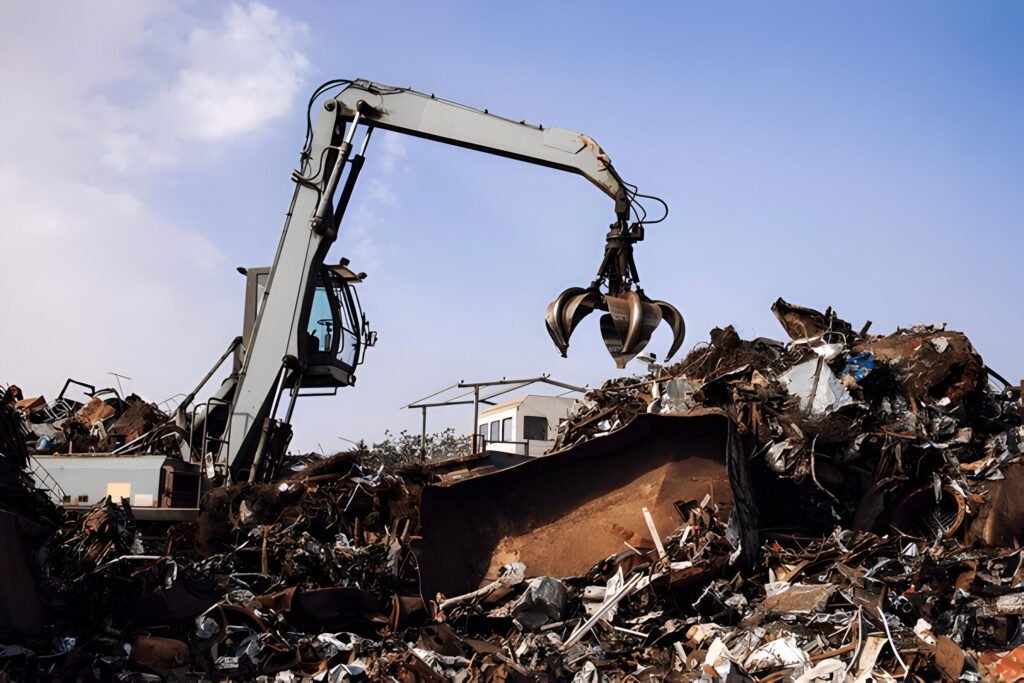
A scrap metal buyer company buys used and unwanted metal, sorts it by type and grade, and sells it on to mills and refineries that melt it back into new material. In Saudi Arabia this matters to anyone holding old metal: factories in the industrial cities, contractors finishing a demolition, workshops, offices, and ordinary households with an old AC unit on the roof.
This guide explains what these companies actually do, how the buying process works on the ground, what decides the price you are offered, and how to choose a buyer without getting underpaid. If you want to talk to a buyer directly, we work out of 2nd Industrial City (Tasliya) in Dammam and you can reach us on 0583593660.
What is a scrap metal buyer company?
A scrap metal buyer company purchases scrap from whoever is holding it, then does the work that makes that scrap usable again: weighing, sorting, separating mixed material, and moving it in volume to the mills. The seller gets paid; the buyer takes on the sorting and logistics.
Buyers usually handle two broad groups of metal:
- Ferrous metal — iron and steel. Magnetic, heavy, lower value per kilo, but usually sold in large weight.
- Non-ferrous metal — copper, aluminium, brass, lead, stainless. Not magnetic, much higher value per kilo, and worth sorting carefully before you sell.
Most of what comes to a buyer in the Eastern Province is a mix: cable offcuts, aluminium window frames, old machinery, dismantled panels, pipe, container sheet, and AC units.
How the buying process actually works
The process is simpler than most people expect. It normally runs like this:
- You describe what you have. Type of metal, rough quantity, and where it is sitting. Photos help a lot and save a wasted visit.
- The buyer inspects it. For anything more than a small load, a buyer should look at the material before quoting. Grade and contamination are only visible in person.
- Weighing and quoting. The material is weighed and a rate is offered per kilo or per ton, depending on the type and grade.
- Collection. Loading and transport are arranged. For site clearances this includes the labour to dismantle and load.
- Payment. You are paid on the agreed weight. For business sellers, documentation is issued for the transaction.
After that, the buyer sorts and processes the material and moves it to a mill or refinery. That part is the buyer’s problem, not yours — but it is why grading matters so much to the rate you are offered.
Who sells to scrap metal buyer companies
In Saudi Arabia the sellers usually fall into a few groups:
- Factories and industrial plants with production offcuts, retired machinery, and structural steel. See our page on industrial scrap buying.
- Demolition and construction contractors clearing rebar, beams, pipe, and mixed metal from a site.
- Electrical contractors with cable offcuts, old panels, and switchgear.
- Offices, shops and warehouses doing a fit-out or clearance.
- Households with a dead AC, old fridge, aluminium kitchen units, or a pile of wire in the storeroom.
Volume changes how a buyer handles the job, but it does not change the basic principle: you get paid on weight, type and grade.
What decides the price you are offered
There is no single fixed rate for scrap in Saudi Arabia, and anyone quoting you a firm price over the phone without seeing the material is guessing. The rate moves with several things:
- Metal type. Copper sits at the top, then brass and aluminium, with iron and steel much lower per kilo.
- Grade and purity. Bare bright copper wire is worth considerably more than the same copper still inside PVC insulation.
- Cleanliness. Metal mixed with plastic, rubber, concrete or oil is downgraded, because the buyer has to pay to separate it.
- Quantity. Larger, sorted loads justify better rates than a few kilos of mixed material.
- Global market movement. Base metal prices track international markets such as the LME, and they move constantly.
- Location and access. A load that needs a crane, a long haul, or dismantling labour carries more cost for the buyer.
If you want a fuller breakdown, we cover it on our scrap prices in Saudi Arabia page.
How to choose a scrap metal buyer company
Check that they weigh in front of you
This is the single biggest thing. A digital scale you can read, with the weight shown before payment, protects you more than any promise about rates. If a buyer is vague about weighing, walk away.
Ask them to separate your metals
A buyer who lumps your copper in with your iron and pays one blended rate is paying you less. A serious buyer sorts as they weigh and prices each type.
Compare rates on the same material
Get two or three quotes on the same described load. A quote that is dramatically higher than the rest usually gets revised downward once the truck arrives.
Confirm who handles dismantling and transport
For machinery, containers, or a demolition site, dismantling and loading are real costs. Agree in advance who is doing that work and whether it is deducted.
Ask about paperwork
If you are selling as a business, you need documentation for the sale. Confirm this before the material leaves your site, not after.
How we work at Scrap Buyer Dammam KSA
We buy across the Eastern Province and beyond — Dammam, Khobar, Qatif, Jubail, Al Ahsa, and further afield for larger industrial loads. We handle metal scrap, copper and cable, aluminium, batteries, AC units, panel boards, containers, pipe, and full site clearances.
Our approach is straightforward: we look at the material, weigh it in front of you, price each metal type separately, and pay on the agreed weight. If you want to talk through a load, call or WhatsApp 0583593660, or read more about us.
Frequently asked questions
What is a scrap metal buyer company?
It is a business that buys used metal from sellers, sorts and grades it, and supplies it to mills and refineries for recycling. The seller is paid based on the weight, type and grade of the metal.
How much is scrap metal worth in Saudi Arabia?
There is no fixed rate. Value depends on the metal type, its grade and cleanliness, the quantity, and current market conditions. Copper and brass are worth the most per kilo, iron and steel the least.
Do I need to sort my scrap before selling?
You do not have to, but it usually pays you to. Separating copper and aluminium from iron before the buyer arrives means each metal can be priced on its own instead of at a blended rate.
Can households sell scrap, or only companies?
Both. Households regularly sell old AC units, fridges, aluminium kitchen units, and wire. Small loads are welcome alongside industrial volumes.
Who arranges the transport?
For anything beyond a small load, the buyer normally collects from your site. Arrange this when you agree the rate so there are no surprises on the day.
How is payment made?
Payment is made against the agreed weight once the material is weighed and accepted. Agree the method with your buyer before collection.
Ready to sell?
If you have metal sitting on a site, in a warehouse, or at home in Dammam or anywhere in the Eastern Province, call or WhatsApp 0583593660 and describe what you have. You can also reach us through our contact page, or see how selling scrap metal in Saudi Arabia works step by step.